Blog

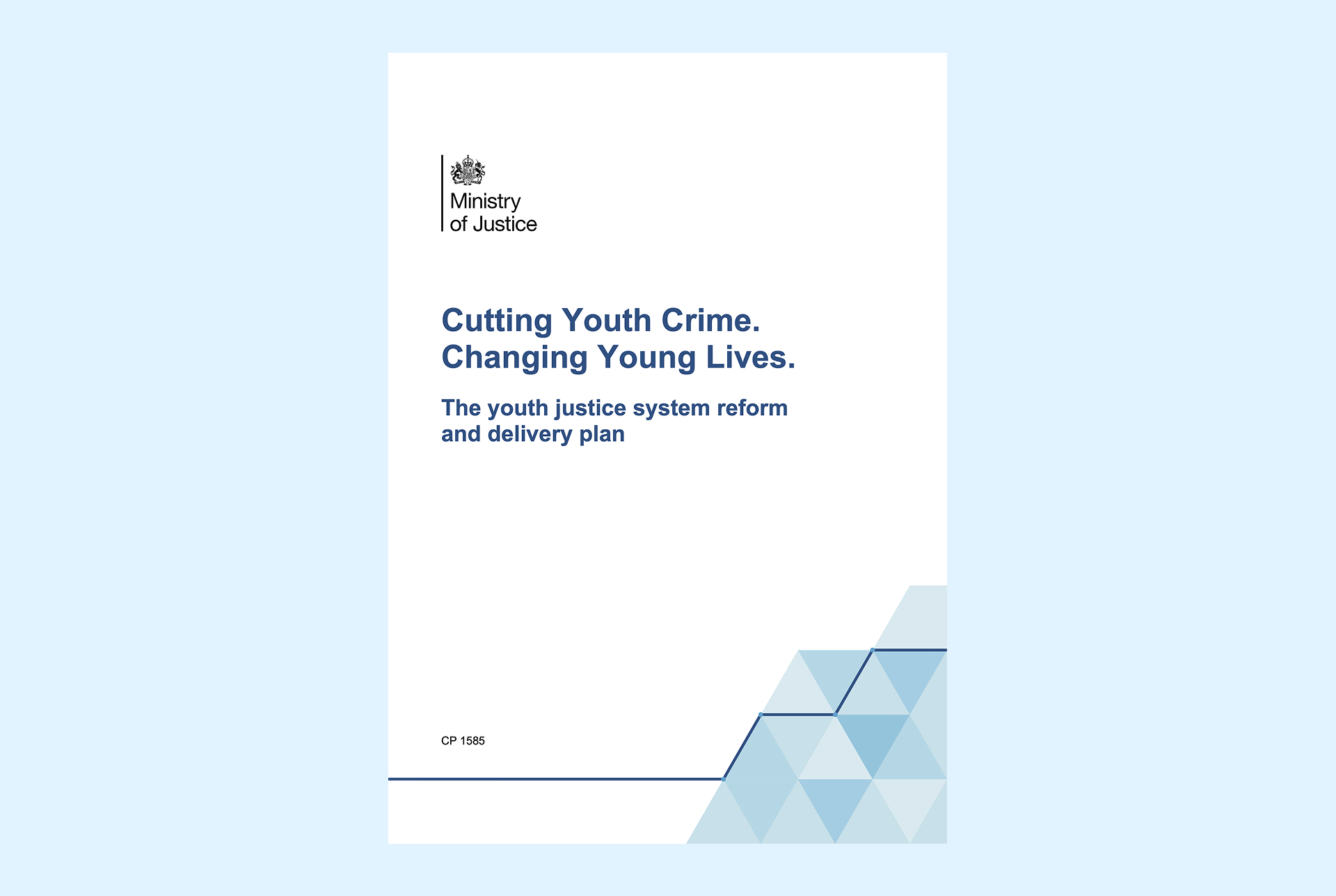
Centre for Young Lives response to the Youth Justice White Paper

May 22, 2026
May 22, 2026
| by
Ben Firth

Looking beyond the headlines about parental orders, there is a very welcome direction of travel in the Youth Justice White Paper

At its core, the paper reflects a growing recognition of the complex and often overlapping drivers that shape children’s vulnerability to involvement in the youth justice system. Preventing first contact with the system - and reducing the likelihood of reoffending -requires more than isolated interventions. It demands a holistic approach that addresses the web of factors affecting children’s lives.

We have come a long way from having to argue that there is a clear and obvious link between not supporting vulnerable children to be in school and their heightened risk of exploitation and/or involvement in the criminal justice system if they fall through the gaps. 

The question is now about putting this new approach into action. However, many of the paper’s most important proposals are framed tentatively as areas to be considered, when transformative action is needed, action which embeds a consistent, child-first and trauma-informed approach which reaches across the entire criminal justice system, from policing and courts to Youth Offending Teams, rehabilitation, and remand. 

It is welcome that Young Offender Institutions (YOIs) are recognised as not fit for purpose. We agree. YOIs are entirely ineffective in rehabilitating children, so the next step must now be a clear commitment to close the remaining YOIs and Secure Training Centres, replacing them with the Secure Children’s Homes that are better equipped to meet children’s needs.

Similarly, the commitment to reducing the custodial remand population by 25% is a positive step, particularly when paired with investment in community alternatives and expanding programmes like remand foster care which builds on the strong positive evidence seen in the Greater Manchester Remand Pilot.

The disproportionate representation of racially minoritised children in the youth justice system is one of the most significant and persistent failures that reforms must address, as the current Lord Chancellor set out so forcefully in the Lammy Review. While the White Paper rightly acknowledges the stark over-representation and unequal outcomes experienced by Black, Mixed Heritage, and Gypsy, Roma, and Traveller children, it does put forward a detailed action plan. Addressing racial disparities in school exclusions, poverty, youth violence, and substance misuse, all of which are key factors in shaping sentencing and outcomes, must be a key part of any future reform.

It is also encouraging to see the unique experiences of girls recognised, but the paper states the government will be exploring broader changes rather than setting out what they are. The system has long lacked a coherent national strategy for girls. We need one urgently that identifies pathways for early preventative support and diverts girls from custody. It should include better multi-agency integration and the embedding of trauma informed practice.

Too often, transformative change in the youth justice system has been slow or it hasn’t happened. The White Paper is welcome. It recognises the problems. Delivering solutions is now essential. The Centre for Young Lives will continue to make the case for the scale of reform and investment that turns words on a page into real, practical change that saves and turns around lives.

Meet the Authors

No items found.

Read more like this

Blog

Centre for Young Lives response to the Youth Justice White Paper

May 22, 2026
May 22, 2026
| by
Ben Firth

Looking beyond the headlines about parental orders, there is a very welcome direction of travel in the Youth Justice White Paper

At its core, the paper reflects a growing recognition of the complex and often overlapping drivers that shape children’s vulnerability to involvement in the youth justice system. Preventing first contact with the system - and reducing the likelihood of reoffending -requires more than isolated interventions. It demands a holistic approach that addresses the web of factors affecting children’s lives.

We have come a long way from having to argue that there is a clear and obvious link between not supporting vulnerable children to be in school and their heightened risk of exploitation and/or involvement in the criminal justice system if they fall through the gaps. 

The question is now about putting this new approach into action. However, many of the paper’s most important proposals are framed tentatively as areas to be considered, when transformative action is needed, action which embeds a consistent, child-first and trauma-informed approach which reaches across the entire criminal justice system, from policing and courts to Youth Offending Teams, rehabilitation, and remand. 

It is welcome that Young Offender Institutions (YOIs) are recognised as not fit for purpose. We agree. YOIs are entirely ineffective in rehabilitating children, so the next step must now be a clear commitment to close the remaining YOIs and Secure Training Centres, replacing them with the Secure Children’s Homes that are better equipped to meet children’s needs.

Similarly, the commitment to reducing the custodial remand population by 25% is a positive step, particularly when paired with investment in community alternatives and expanding programmes like remand foster care which builds on the strong positive evidence seen in the Greater Manchester Remand Pilot.

The disproportionate representation of racially minoritised children in the youth justice system is one of the most significant and persistent failures that reforms must address, as the current Lord Chancellor set out so forcefully in the Lammy Review. While the White Paper rightly acknowledges the stark over-representation and unequal outcomes experienced by Black, Mixed Heritage, and Gypsy, Roma, and Traveller children, it does put forward a detailed action plan. Addressing racial disparities in school exclusions, poverty, youth violence, and substance misuse, all of which are key factors in shaping sentencing and outcomes, must be a key part of any future reform.

It is also encouraging to see the unique experiences of girls recognised, but the paper states the government will be exploring broader changes rather than setting out what they are. The system has long lacked a coherent national strategy for girls. We need one urgently that identifies pathways for early preventative support and diverts girls from custody. It should include better multi-agency integration and the embedding of trauma informed practice.

Too often, transformative change in the youth justice system has been slow or it hasn’t happened. The White Paper is welcome. It recognises the problems. Delivering solutions is now essential. The Centre for Young Lives will continue to make the case for the scale of reform and investment that turns words on a page into real, practical change that saves and turns around lives.

Meet the Authors

No items found.

Meet the Author

Ben Firth
Policy Researcher at Centre for Young Lives

Read more like this